

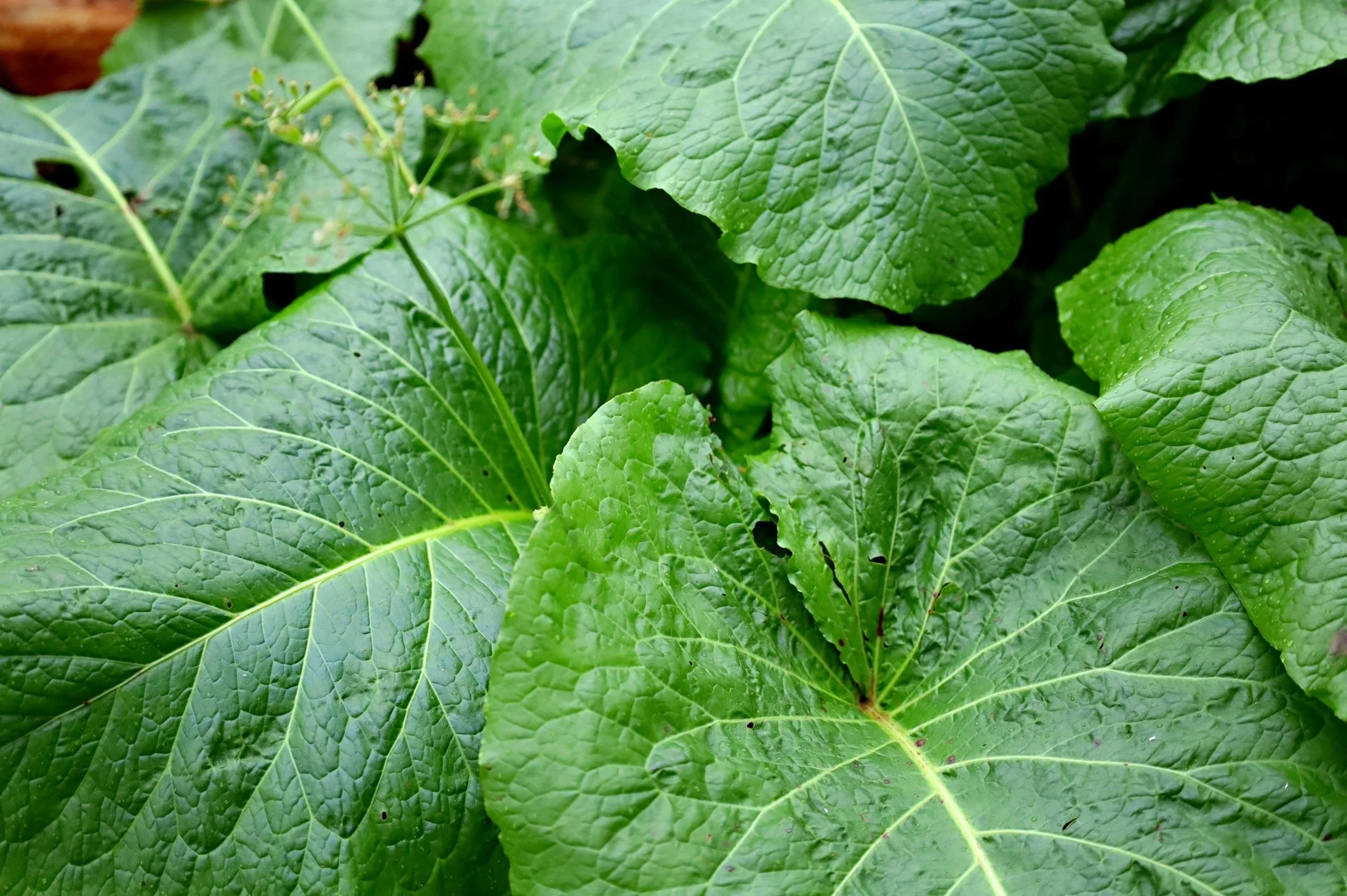
What is Kava?
A Beginner’s Guide to Kava, Kava Bars, and What to Expect
Kava is one of those drinks people hear about before they fully understand it. Maybe a friend invited you to a kava bar. Maybe you saw it on a menu and wondered what it was. Maybe you are looking for a non-alcoholic place to relax, socialize, or spend time at night.
This guide covers the basics: what kava is, where it comes from, what it tastes like, whether it contains alcohol, what a kava bar is, and what to expect if you are trying kava for the first time.
At Nocturne Teas in Palm Bay, kava is part of a larger late-night lounge experience built around non-alcoholic drinks, conversation, studying, events, and community.
Quick Summary: What Is Kava?
Kava is a traditional non-alcoholic drink made from the root of the kava plant, Piper methysticum. It has deep roots in Pacific Island cultures and is commonly associated with social, cultural, and ceremonial gatherings.
Traditional kava has an earthy, peppery, root-like taste. Some people enjoy that flavor on its own, while others prefer flavored kava drinks that make the experience more approachable for a first visit.
Kava is not alcohol, but people often visit kava bars for some of the same social reasons they might visit a traditional bar: to relax, talk, meet people, attend events, or spend time somewhere outside of home.
If you are trying kava for the first time, start simple, ask questions, take your time, and pay attention to how you feel. Kava affects people differently and may not be right for everyone, especially people who are pregnant, have liver concerns, take certain medications, or have been told by a medical professional to avoid it.
At Nocturne Teas in Palm Bay, kava is served as part of a larger late-night lounge experience with non-alcoholic drinks, coffee, teas, dirty sodas, slushies, events, studying, pool, and community.
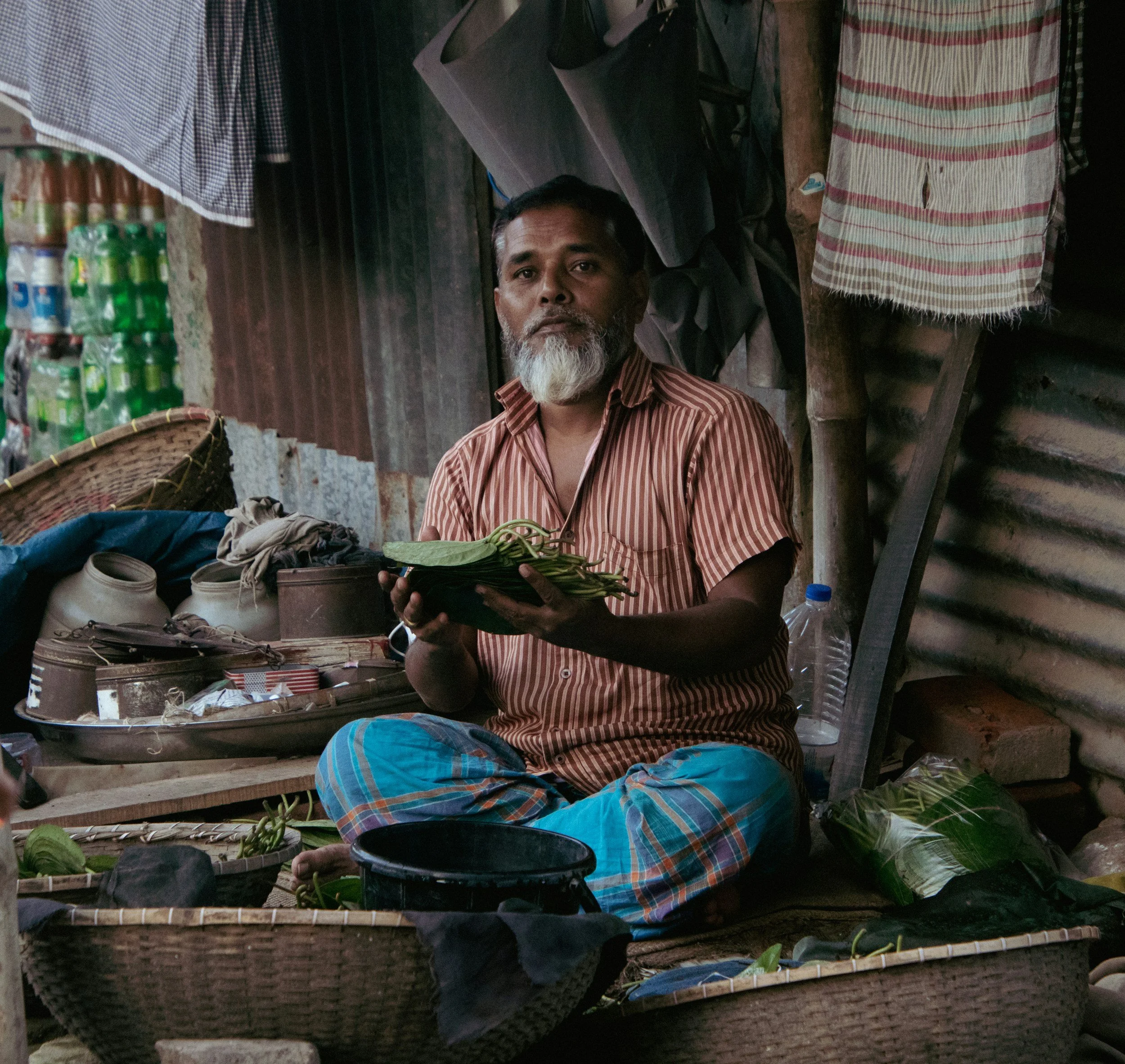
A traditional drink
Kava is a traditional beverage made from the root of the kava plant, known scientifically as Piper methysticum. It has been consumed throughout the Pacific Islands for generations and is commonly associated with social, cultural, and ceremonial gatherings.
What Is Kava?
Preparation
Traditional kava is usually prepared by grinding, pounding, or kneading the root in water, then straining it into a drink. The result is an earthy, root-like beverage that many people drink in social settings.
Modern Use
Today, kava is served in homes, ceremonies, and kava bars around the world. At modern kava bars, you may find traditional kava shells, flavored kava drinks, botanical teas, coffee, and other non-alcoholic options.
Where Does Kava Come From?
Kava is strongly associated with Pacific Island cultures, including places such as Fiji, Vanuatu, Tonga, Samoa, Hawaiʻi, and parts of Micronesia. Different islands and communities have their own names, customs, preparations, and traditions surrounding kava.
Because kava has deep cultural roots, it is more than just an ingredient. In many places, it has been connected to hospitality, ceremony, community, respect, and social gathering.
Modern kava bars are not the same as traditional Pacific Island ceremonies, but they are influenced by the same basic idea: sharing a drink in a social environment.

What Is Kava Made From?
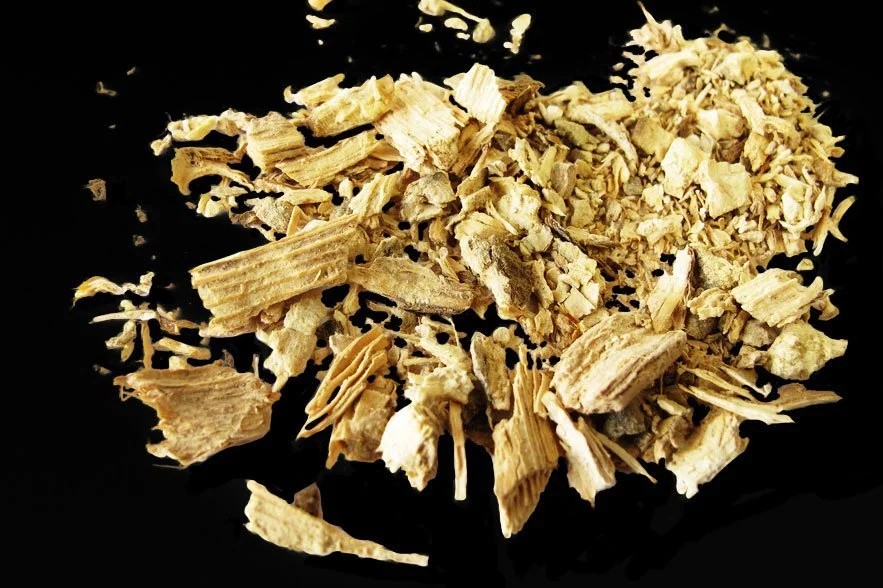
Kava is made from the root of the kava plant. The part traditionally used for drinking is the root or underground portion of the plant, not the leaves.
The naturally occurring compounds most commonly associated with kava are called kavalactones. Different varieties, preparations, and serving sizes can affect how kava tastes and how people experience it.
At a kava bar, kava is usually served as a strained beverage. Some places serve it traditionally, while others also offer flavored kava drinks for people who want something more approachable.
What Does Kava Taste Like?
Traditional kava has a very distinct taste. Most people describe it as earthy, peppery, woody, bitter, or root-like. Some people like the flavor right away. Others need time to get used to it.
If you have never tried kava before, do not expect it to taste like sweet tea, coffee, or juice. Traditional kava is closer to an earthy root beverage than a typical café drink.
That said, many kava bars offer flavored kava drinks that make the experience more approachable for first-time guests. If you are curious but nervous about the taste, ask the staff what they recommend for beginners.
Why Do People Drink Kava?
People drink kava for different reasons. Some enjoy it as part of a social routine. Some like having a non-alcoholic option for going out at night. Some enjoy the tradition, flavor, or ritual of drinking kava. Others simply like the atmosphere of kava bars.
At Nocturne Teas, many guests come in for kava because they want a place to relax, talk, play pool, study, attend events, or spend time with friends without the environment being centered around alcohol.
Kava is not the same experience for everyone. Effects and preferences vary from person to person, so it is best to start slowly, ask questions, and pay attention to how you feel.
Is Kava Alcohol?
This is one of the most common questions people ask before visiting a kava bar. Kava bars can feel socially similar to traditional bars because people gather, talk, play games, and spend time together, but the drinks are non-alcoholic.
That is one reason kava bars appeal to people who are sober, sober-curious, taking a break from alcohol, or simply looking for something different to do at night.
Nocturne Teas is not a traditional alcohol bar. It is a late-night kava, tea, and coffee lounge focused on non-alcoholic drinks and community.
What Does Kava Feel Like?
Kava affects people differently. Some people describe feeling more relaxed, calm, or social. Other people notice very little the first time. The experience can depend on the person, the amount consumed, the type of kava, the preparation, tolerance, and whether someone has eaten recently.
If it is your first time trying kava, start simple. Ask questions, take your time, and do not treat it like something to rush.
Kava may not be right for everyone. People who are pregnant, have liver concerns, take certain medications, or have been told by a medical professional to avoid kava should speak with a healthcare provider before consuming it.
What Should I Order My First Time?
If you are trying kava for the first time, the simplest option is usually a traditional kava shell. This gives you the most direct idea of what kava is.
If you are unsure about the earthy flavor, ask about beginner-friendly or flavored kava options. Many first-time guests prefer something more approachable before trying traditional kava on its own.
At Nocturne Teas, you do not need to know everything before you walk in. Tell the staff it is your first time, ask what the options are, and let them help you choose.
Good first-visit options may include:
A traditional kava shell
A flavored kava drink
A lighter or beginner-friendly recommendation
A non-kava drink if you just want to experience the lounge first
Is Kava Safe?
Kava has a long history of traditional use, but it is still something people should consume thoughtfully. Kava products have been associated with rare cases of liver injury, and risk may vary depending on the product, preparation, amount consumed, individual health, and other substances or medications.
People with liver disease, people who are pregnant or breastfeeding, and people taking medications that may interact with kava should avoid kava unless they have spoken with a qualified healthcare professional.
You should also avoid mixing kava with alcohol or other substances that may increase drowsiness or affect your judgment.
At Nocturne Teas, we encourage guests to ask questions, start slowly, and make informed choices.
Can I Visit a Kava Bar If I Do Not Drink Kava?
Yes. You do not have to drink kava to visit a kava bar.
Many people come to kava bars for the environment as much as the drink itself. Some people order coffee, tea, botanical drinks, dirty sodas, slushies, or other non-alcoholic options. Others come for events, studying, pool, conversation, or a place to spend time without going to a traditional bar.
At Nocturne Teas, kava is a major part of what we do, but it is not the only reason people visit.
What Makes Nocturne Teas Different?
Nocturne Teas is a late-night kava, tea, and coffee lounge in Palm Bay, Florida. We serve kava, euphoric teas, coffee, dirty sodas, slushies, and other non-alcoholic drinks in a relaxed community space.
Some guests come to unwind after work. Some come to study. Some come for events. Some come because they want a social place that is not centered around alcohol. Some just want somewhere comfortable to sit, talk, play pool, or be around people.
If you are new to kava, you are welcome to ask questions. You do not need to be an expert, know the menu, or already be part of the community. Everyone has a first visit.
Kava FAQ
Curious About Kava?
The best way to understand kava is to learn the basics, ask questions, and try it in a comfortable environment.
If you are in Palm Bay, Melbourne, or the surrounding Brevard County area, Nocturne Teas is a late-night kava, tea, and coffee lounge where first-time guests are welcome.
View our menu, check our weekly events, or stop by and ask us what we recommend for your first visit.
-
No. Kava is not alcohol. It is a non-alcoholic beverage made from the root of the kava plant.
-
Traditional kava does not contain caffeine. However, some kava bars also serve coffee, tea, or other drinks that may contain caffeine, so ask before ordering if you are avoiding caffeine.
-
Traditional kava usually tastes earthy, peppery, woody, bitter, or root-like. Flavored kava drinks may be more approachable for first-time guests.
-
A kava bar is a social space centered around kava and other non-alcoholic drinks. Many kava bars also offer events, games, music, coffee, tea, and lounge seating.
-
Kava is legally sold in the United States, including at kava bars and as dietary supplement products. Rules, labeling, and product standards can vary, so it is best to buy from reputable businesses.
-
Kava can affect people differently and may cause drowsiness or reduced alertness in some people. If you feel impaired, tired, or unsure, do not drive.
-
It is best not to mix kava with alcohol. Both can affect the body, and combining them may increase safety concerns.
-
People with liver concerns, people who are pregnant or breastfeeding, and people taking medications that may interact with kava should speak with a healthcare professional before consuming kava.
-
No. Nocturne Teas also serves coffee, teas, dirty sodas, slushies, and other non-alcoholic drinks.
-
You can try kava at Nocturne Teas in Palm Bay, Florida. If it is your first time, tell the staff you are new to kava and ask for a beginner-friendly recommendation.